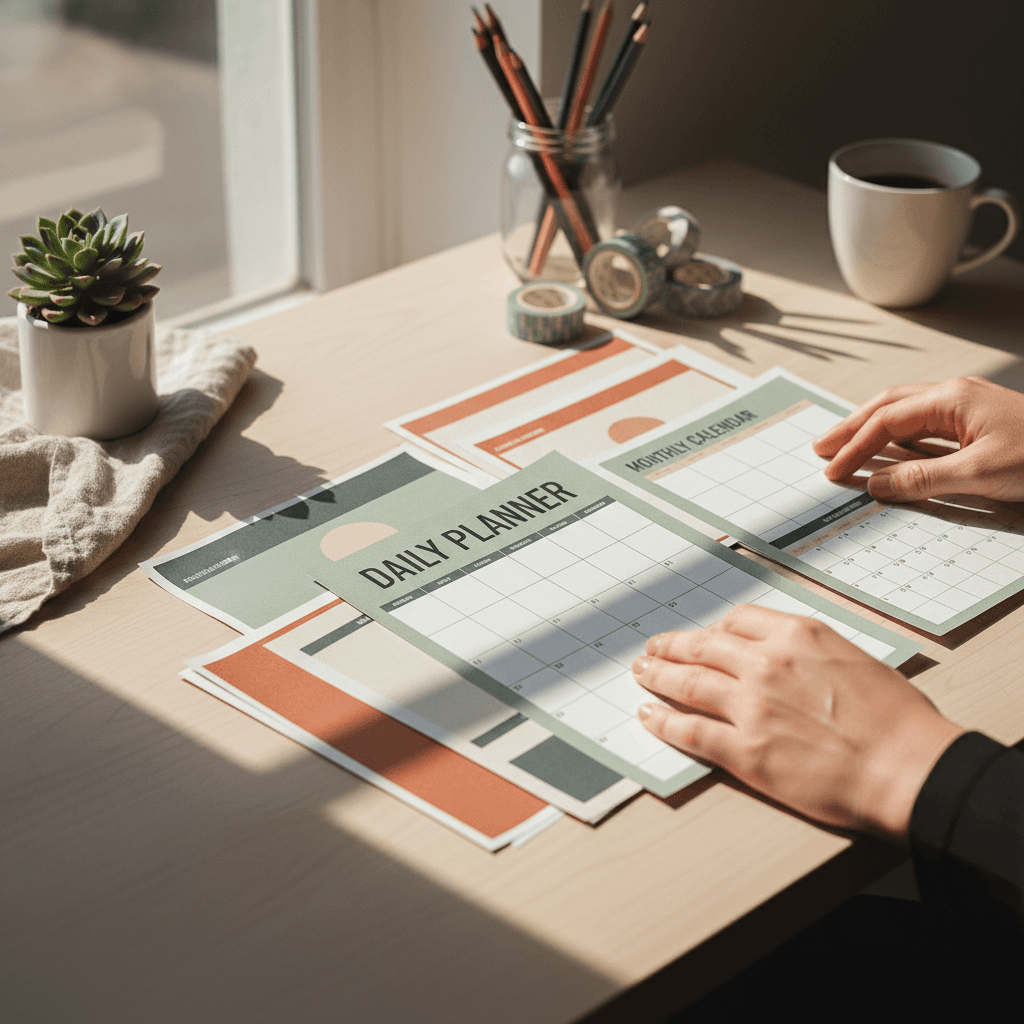
An effective adhd morning routine checklist minimizes decision fatigue by utilizing habit stacking and sensory cues to create a low-friction start to the day. This method replaces rigid schedules with a flexible launch sequence that avoids early morning screen time while incorporating preparation from the night before. By focusing on simple transitions and reducing cognitive load, adults can maintain focus and improve task initiation.
Waking up with ADHD often feels like starting a marathon with your shoelaces tied together. You open your eyes and are immediately met with a paralysis that makes even the simplest tasks, like finding matching socks or starting the coffee maker, feel monumental. Traditional morning routines fail because they rely on executive function levels that simply are not available during those first few hours. To reclaim your productivity, you need a low friction system designed for a dopamine seeking brain. In this guide, we will break down the 10 3 rule and explain how to design a launch sequence instead of a rigid timetable. You will discover seven essential tasks for your ADHD morning routine checklist and learn how to use a printable guide to stay on track. Finally, we will provide a strategy for recovering your focus when the inevitable disruption happens.
The ADHD Morning Struggle: Why Traditional Checklists Fail
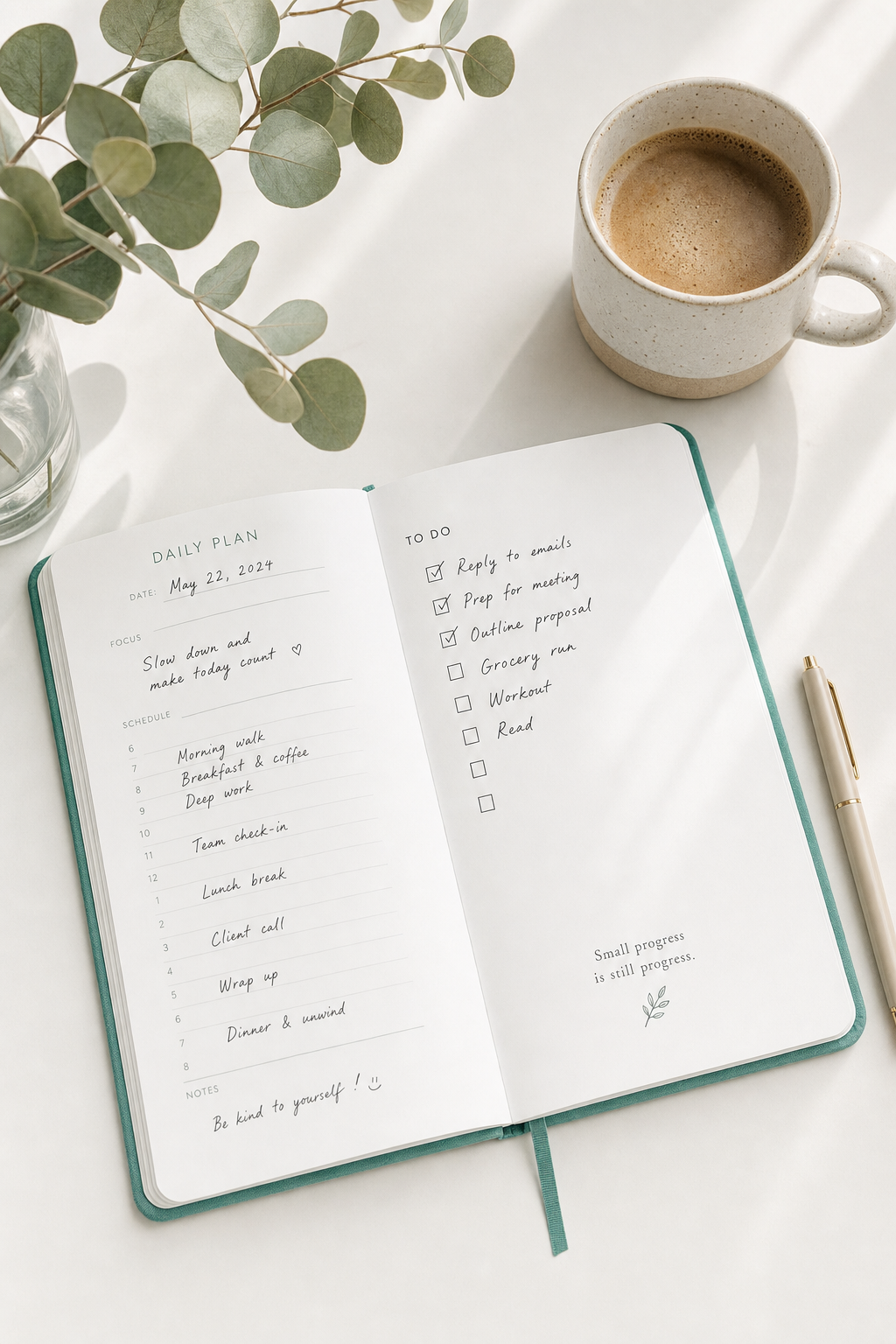
For many adults with ADHD, the transition from sleep to wakefulness feels like hitting a "wall of awful." This psychological barrier, composed of past failures, anxiety, and the sheer weight of upcoming demands, makes the simplest tasks feel insurmountable. While standard productivity advice often suggests a rigid schedule, a minute by minute timetable such as "7:00 AM Shower" often triggers immediate paralysis. If you miss a single timestamp by five minutes, the entire day can feel functionally ruined, leading to "waiting mode" where you sit frozen, unable to initiate any task at all.
This struggle stems from executive dysfunction, specifically a difficulty with task initiation and time blindness. When an adhd morning routine checklist is too dense or visually cluttered, the brain perceives every item as equally urgent and overwhelming. Traditional productivity tools often demand high pressure performance that ignores the sensory needs of a neurodivergent mind. At Simple Planners Hub, we focus on lowering the barrier to entry through minimalist design rather than complex hacks.
Effective ADHD specific planners prioritize simplicity to bypass the sensory overload that causes us to stall. Success in the morning is not about mastering high intensity systems; it is about building habits that stick by acknowledging that your brain needs a low friction path. By removing the pressure of the clock and focusing on a gentle flow, you can overcome the initial resistance that usually derails your morning before it even begins.
Defining a Low Dopamine Morning Routine for ADHD Adults
A low dopamine morning is a strategy designed to stabilize brain chemistry by delaying the intake of high intensity stimulation. For many neurodivergent individuals, the first instinct upon waking is to reach for a smartphone to check emails or social media. This "doom scrolling" provides an immediate, artificial spike in dopamine that feels rewarding but actually sets a high threshold for satisfaction that the rest of the day cannot meet. When you start with a digital hit, you risk a mid morning crash that leaves you unable to focus on the essential tasks on your adhd morning routine checklist.
Instead of chasing high intensity inputs, the goal is a sensory friendly transition into the day. This involves using gentle cues to signal to your brain that it is time to wake up without triggering a cortisol spike or a stress response. For example, replacing a jarring, loud alarm with a sunrise lamp or using a specific scent, such as citrus or peppermint, can ground the nervous system. These biological signals help transition the brain from a sleep state to an alert state more naturally than a notification ping.
By opting for a slow start, you protect your limited cognitive energy. This method reduces the visual load and decision fatigue that often derail morning efforts. At Simple Planners Hub, we believe that success is found in these quiet, intentional moments. Choosing a calm environment over a chaotic digital feed allows you to build a foundation for the day that supports your executive function rather than draining it before breakfast. This approach is essential for building habits that stick because it prioritizes long term stability over short term stimulation.
The 10 3 Rule and Pre Morning Prep
A successful morning is often won or lost before you even wake up. To protect your limited executive function, you must address the biological and cognitive factors that disrupt sleep and morning clarity. The 10 3 rule provides a strategic framework for this transition. It suggests stopping caffeine intake 10 hours before bed to ensure your nervous system can truly settle. For many with ADHD, caffeine lingers in the system longer than expected, making it difficult to reach the deep sleep required for a functional next day. Similarly, stopping work 3 hours before bed prevents the brain from staying in a high arousal state of problem solving, which often leads to late night ruminating.
At Simple Planners Hub, we emphasize that an effective adhd morning routine checklist actually begins with a "pre morning" phase. The primary goal is to eliminate decision fatigue. When you wake up, your brain has a finite amount of activation energy. Using that energy to decide what to wear or to hunt for your car keys is a waste of a precious resource. By picking out clothes, packing a bag, and setting up a dedicated launch pad for essentials the night before, you reduce the number of hurdles you face during those first critical minutes. Using ADHD specific planners to map out these evening prompts ensures that building habits that stick becomes a manageable, low friction process.
Designing a Launch Sequence Instead of a Timetable
Once the evening prep is complete, the focus shifts to the morning flow. For neurodivergent adults, the primary enemy is often the clock. Time blindness, a common trait where the passage of time is difficult to perceive or estimate, makes rigid schedules feel like a trap. Instead of a minute by minute timetable, we recommend designing a launch sequence. This is an ordered list of actions that trigger each other, regardless of what the clock says. If you wake up at 7:00 AM or 8:30 AM, the sequence remains the same, providing a consistent structure that survives disruptions.
A launch sequence removes the panic of being behind. If your adhd morning routine checklist relies on specific timestamps, a five minute delay can derail your entire momentum and trigger a shut down. By focusing on the order of operations, you maintain a sense of progress without the pressure of a ticking timer. A highly effective flow for many involves four core steps: Water, Meds, Movement, and Protein. You start by drinking water to hydrate, which serves as the physical cue to take your medication. Once the medication is managed, you transition into a brief period of movement, like stretching, which then leads you to the kitchen for a high protein meal to fuel your brain.
To make this sequence automatic, utilize habit stacking. This technique involves anchoring a new behavior to an existing, automatic one. For example, if you always fill a kettle in the morning, place your medication bottle exactly where you stand while the water boils. The act of finishing one task becomes the physical cue to start the next. At Simple Planners Hub, we design ADHD specific planners that emphasize these sequential flows rather than cluttered time blocks. This method is the most reliable way of building habits that stick because it respects the way your brain actually processes information. By focusing on the what next instead of the what time, you reduce the cognitive load required to simply start your day.
7 Essential Tasks for Your ADHD Morning Routine Checklist
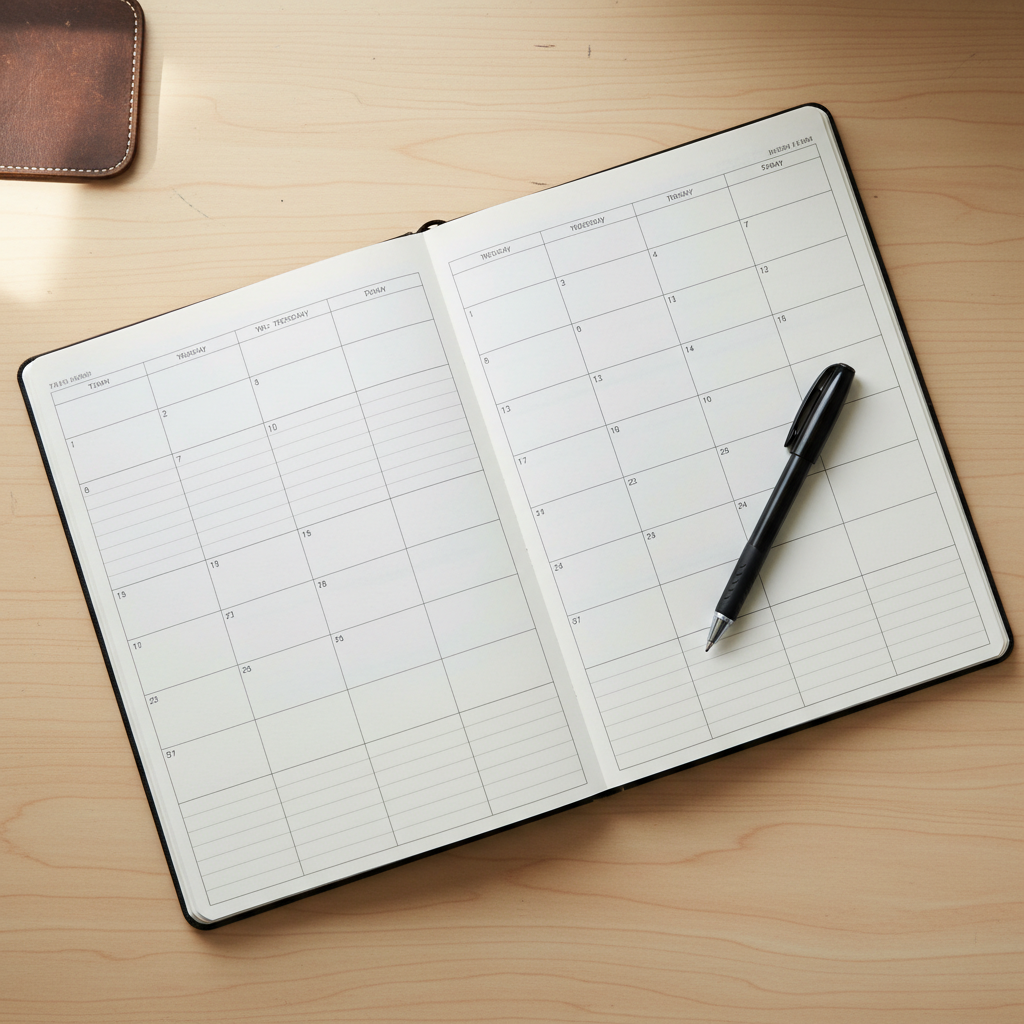
Transitioning from a conceptual launch sequence to a tangible, physical prompt requires choosing tasks that directly support neurodivergent executive function. To make your adhd morning routine checklist truly effective, it must address biological needs first. These seven tasks provide a foundation that reduces friction and preserves your cognitive energy for the day ahead.
Hydration (Water First): Before you reach for coffee, drink at least eight ounces of water. Dehydration significantly worsens brain fog and irritability; both are already challenges for those with ADHD. Hydrating first provides a gentle, sensory wake-up call for your internal organs.
High Protein Fuel: Pair your caffeine with protein. Protein provides the amino acids necessary for dopamine production, which helps stabilize your focus. Starting the day with protein also prevents the blood sugar roller coaster that can lead to a late morning crash, especially if you are taking stimulant medication.
Medication Check: Ensure your medication is taken at the same point in your sequence every day. Using a physical checklist prevents the "did I take it?" spiral that often leads to accidental double-dosing or missed days, providing peace of mind early on.
Movement: Commit to just two minutes of stretching or light movement. This stimulates the vestibular system and signals to your brain that it is time to transition from rest to action without the pressure of a full workout. Even a simple set of shoulder rolls can break the morning freeze.
The One Thing: Identify a single, non-negotiable task for the day. At Simple Planners Hub, we recommend choosing your "One Thing" early to bypass the paralysis by analysis that occurs when you look at a long to-do list later in the afternoon.
Device-Free Zone: Maintain a screen-free environment for the first 30 minutes. Avoiding digital inputs protects your baseline dopamine levels and prevents your brain from being hijacked by urgent, but unimportant, notifications before you are fully alert.
The Launch Pad Check: Do a final sweep of your keys, wallet, and bag. This physical confirmation at your designated "launch pad" prevents the executive function glitch of leaving the house without essentials.
By utilizing ADHD specific planners, you can house these tasks in a visually clean format that avoids sensory overload. This structure is essential for building habits that stick because it prioritizes biological regulation over performance. When these steps become automatic, you spend less energy thinking about how to start and more energy actually doing the work that matters.
How to Use a Printable Checklist Without Feeling Overwhelmed

A physical adhd morning routine checklist provides a tangible anchor that digital apps often lack. To maximize its effectiveness, consider laminating your printable. This allows you to use a dry erase marker, providing a satisfying tactile click or swipe as you complete each task. This small sensory reward reinforces the brain’s dopamine response to completion. Placement is equally critical; position your checklist in high friction areas where it is impossible to ignore. Taping it to the bathroom mirror or the refrigerator door ensures the prompts intercept your path during the most critical moments of the sequence.
At Simple Planners Hub, we design ADHD specific planners with a focus on visual cleanliness. Overcrowded pages with excessive icons can lead to sensory overload and immediate avoidance. By utilizing minimalist layouts with generous white space, our tools reduce the cognitive load required to process information. This intentional design is a cornerstone of building habits that stick, as it allows you to focus solely on the next step rather than being distracted by a cluttered page.
Recovering When Your Routine Disruption Happens
Despite our best efforts, life happens. An unexpected phone call, a late start, or a forgotten step on your adhd morning routine checklist can trigger a spiral of frustration. The most important skill for building habits that stick is the ability to pivot without judgment. Instead of abandoning the day, implement a Reset Protocol. This involves stopping, taking three deep breaths, and identifying the single next best step. Perhaps it is just drinking a glass of water or putting on shoes.
If you find yourself stuck in a cycle of procrastination or waiting mode after a disruption, consider body doubling. Working alongside someone else, even via a virtual platform or a dedicated app, can provide the external structure needed to re-engage your focus. At Simple Planners Hub, we design ADHD specific planners to be tools of grace, not perfection. A disrupted morning is simply a data point, not a failure. By choosing the smallest possible action, you can regain momentum and salvage your productivity without the weight of self-criticism.