To master how to use a planner with ADHD, prioritize simplicity and avoid the trap of perfectionism. Begin by identifying your primary planning goals and tracking essential dates, then build a habit of checking your list daily without overcomplicating the layout. Success depends on using a flexible system that addresses your specific needs while remaining visible and easy to update.
You have likely experienced the frustration of the planner graveyard, that stack of half finished notebooks gathering dust because they could not keep up with your brain. For those with ADHD, the struggle is not a lack of ambition, but rather a clash between rigid organizational systems and the reality of executive dysfunction. It is time to stop apologizing for your unfinished pages and start using a system that actually works with your neurodivergence. This guide provides a practical roadmap to help you navigate the overwhelm of starting. You will learn how to choose between digital and printable tools, implement the Start Ugly method to bypass perfectionism, and master sustainable pacing through the 30 percent rule. We will also outline a resilient ten minute habit to ensure you can always find your way back if you lose momentum.
Why the Planner Graveyard is Real for ADHD Brains
The planner graveyard is a familiar sight for many neurodivergent individuals. It is that drawer or shelf filled with beautiful, expensive journals where only the first three pages are filled with ambitious notes, followed by a sudden, silent stop. If this sounds like your experience, understand that it is not a failure of discipline or a lack of desire to be organized. It is a direct result of how the ADHD brain processes rewards and manages executive function.
When you buy a new planner, your brain receives a significant dopamine hit. The promise of a fresh start feels like an immediate solution to the chaos. However, once the novelty wears off, the maintenance phase begins. For those navigating executive dysfunction, the transition from the excitement of a new tool to the routine of using it can feel insurmountable. This is often compounded by the paralyzing effect of a blank page; the fear of ruining a perfect layout can stop progress before it even starts.
Learning how to use a planner with ADHD requires a fundamental shift in perspective. A planner is not a tool to fix your brain or force you into a neurotypical mold. Instead, think of it as an external support system or a second brain. By moving tasks, dates, and ideas onto a physical or digital page, you reduce the heavy cognitive load on your working memory. Utilizing ADHD specific planners designed for these unique neurological needs helps bridge the gap between intention and action. By implementing simple ADHD planner strategies, you can create a structure that supports your brain rather than fighting against it.
Choose Your Tool: Digital vs. Printable vs. Hybrid

Once you understand the why behind previous organizational hurdles, the next step in learning how to use a planner with ADHD is selecting the right medium. This choice depends largely on your sensory preferences and how you navigate a busy professional day in Wilmington. For those commuting between offices or managing high-stakes projects, the tool must be as portable as it is functional.
Format | Best For | Key Advantage |
|---|---|---|
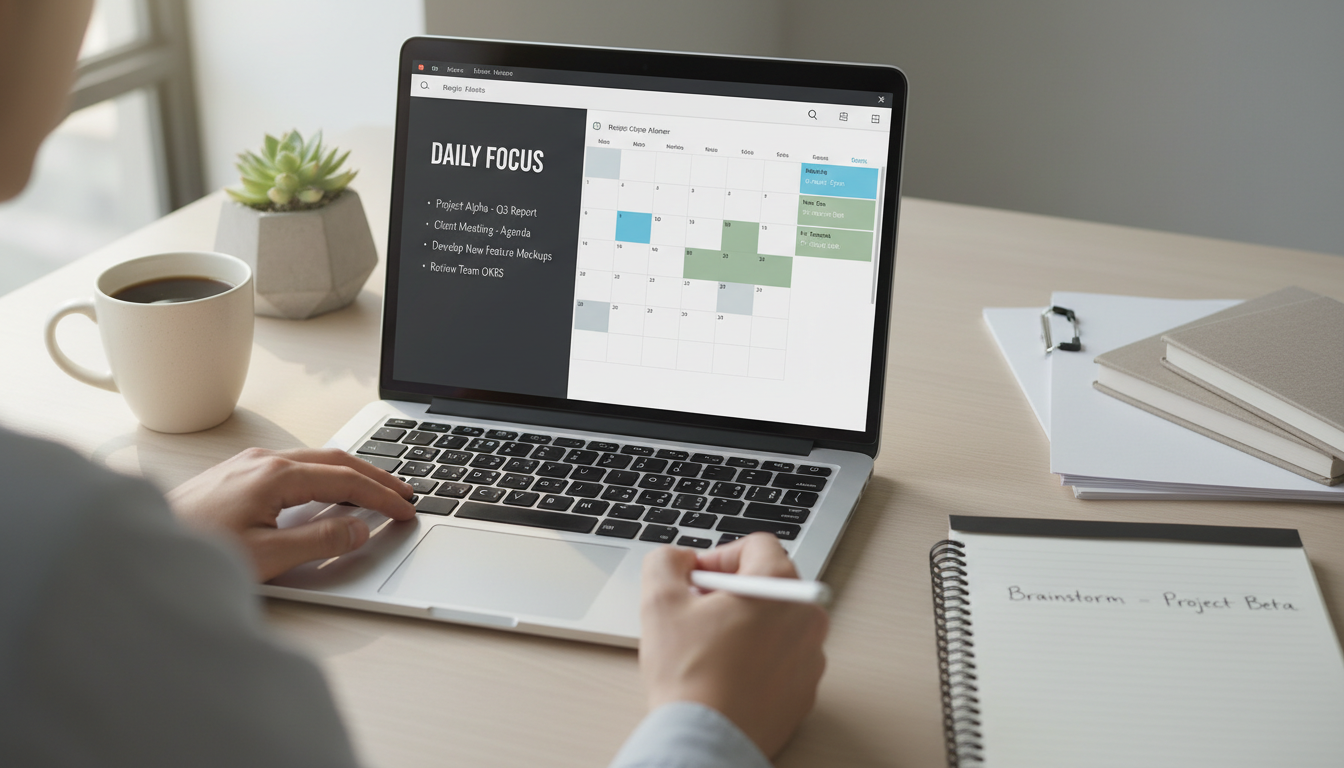
Digital | Hard Deadlines | Active alerts and instant searchability. |
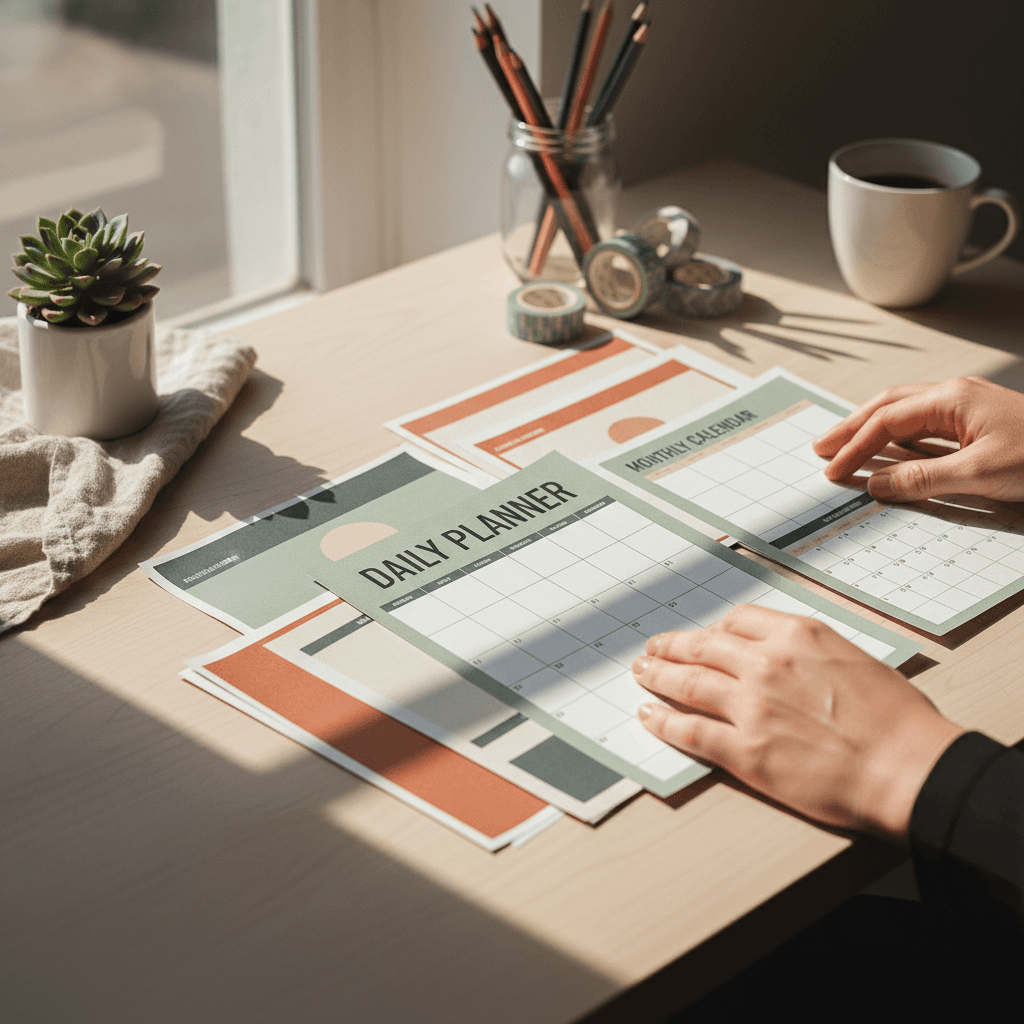
Printable | Daily Focus | Tactile feedback and zero screen distractions. |
Hybrid | Comprehensive Management | Alerts for appointments; paper for deep work. |
Digital tools excel at managing firm appointments because they provide active notifications, which counters the ADHD tendency toward time blindness. However, digital devices also carry the risk of distraction from notifications or the lure of other apps. Printable tools offer a physical, grounding experience. Having a page open on your desk serves as a constant visual anchor that does not disappear when your screen goes dark.
Simple Planners Hub provides both ADHD specific planners and printable resources to cater to these different sensory needs. I often recommend a hybrid approach for beginners. Use a digital calendar for your fixed meetings and a printable layout for your immediate tasks. This method helps you focus without the clutter of a long-term schedule, making it easier to decide between a daily planner vs weekly planner based on your specific cognitive load that day.
The Start Ugly Method: Overcoming Perfectionism
Regardless of the format you choose, the most significant barrier to long term success is often the internal pressure to create a visual masterpiece. Many beginners struggle and eventually quit because they believe their layout needs to be Instagram worthy. To truly master how to use a planner with ADHD, you must adopt the "Start Ugly" method. This philosophy prioritizes functional organization over aesthetic perfection.
Your planner is a workspace, not a gallery. If you wait until you have the right stickers or a window of time to practice calligraphy, you have already lost the battle against executive dysfunction. Using a plain ballpoint pen and allowing for messy, crossed out words is actually a sign of progress. It means you are successfully moving thoughts out of your crowded mind and onto the page.
Aesthetic Planning | Functional "Start Ugly" Planning |
|---|---|
Color coded keys | Rapid brain dumps |
Pristine margins | Crossed out mistakes |
Curated stickers | Scrawled reminders |
Fear of "ruining" it | Immediate action |
A messy planner is a used planner, and for a beginner, a used planner is a massive success. When using ADHD specific planners, the goal is to reduce cognitive load, not to add "becoming an artist" to your to-do list. Embracing imperfection allows you to implement simple ADHD planner strategies immediately without the paralyzing fear of making a mistake. By focusing on utility, you transform the page from a source of pressure into a reliable partner for your brain.
Mastering the 1, 3, 5 Rule and the 30 Percent Rule
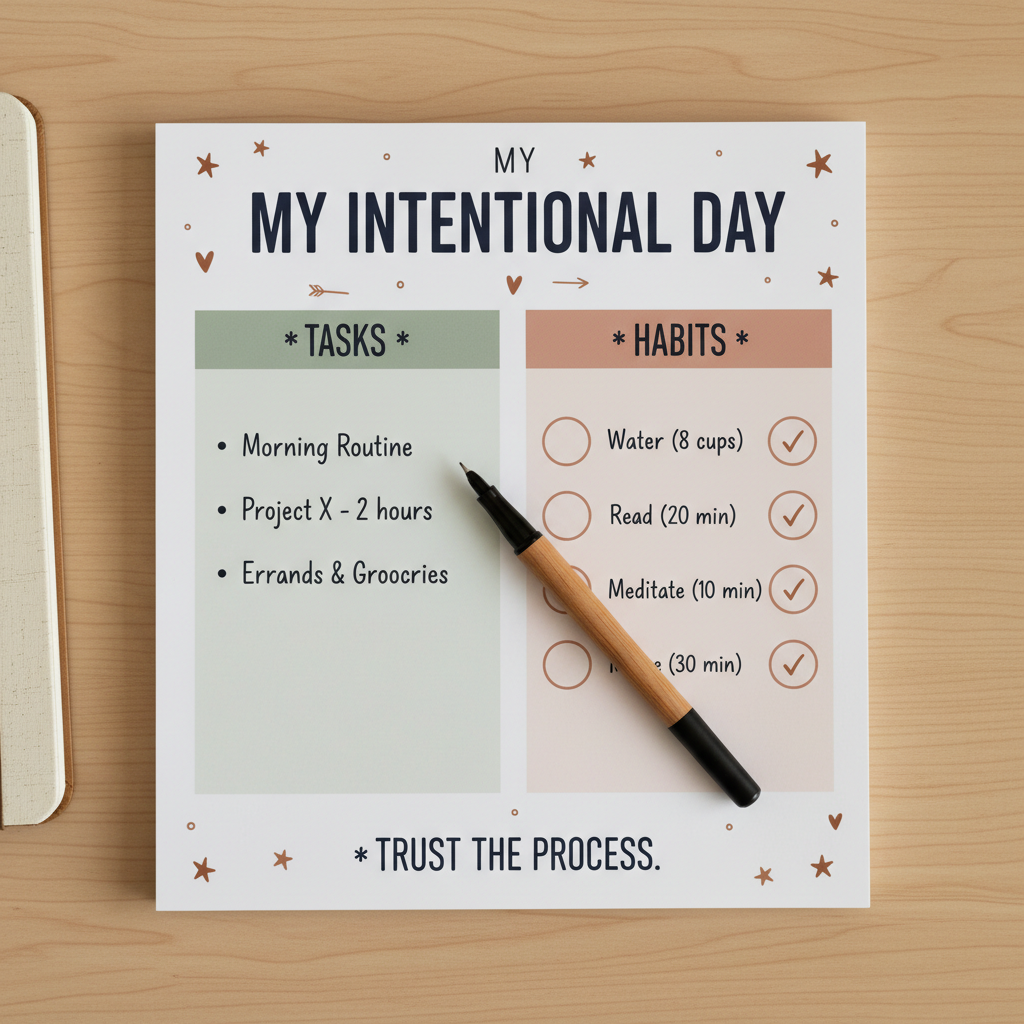
Once you have embraced the "Start Ugly" philosophy, the next hurdle is deciding exactly what to write on those pages. A common mistake is creating an "infinite to-do list" that triggers paralysis. To prevent this, successful users rely on the 1, 3, 5 Rule. This framework forces you to prioritize by limiting your daily commitments to a manageable number. By choosing one big task, three medium tasks, and five small tasks, you create a realistic roadmap. The "big" task is your primary goal for the day, while the "small" tasks provide quick dopamine wins that keep you moving.
Task Category | Quantity | Example Purpose |
|---|---|---|
Big Task | 1 | Deep work project or a major report requiring high focus |
Medium Tasks | 3 | Important but shorter items, like follow-up calls or a 30-minute meeting |
Small Tasks | 5 | Quick wins, such as sending an email, scheduling a haircut, or filing a receipt |
Complementing this list is the 30 Percent Rule, a vital technique for managing time blindness. Most people with ADHD underestimate how long a task will take or forget to account for the transition time between activities. When you are learning how to use a planner with ADHD, aim to schedule only 70 percent of your available hours. This leaves a 30 percent buffer for unexpected distractions or tasks that run over. If you have an eight-hour workday, only plan for about five and a half hours of active work.
Using ADHD specific planners allows you to visualize this essential white space. This buffer is not wasted time; it is a strategic tool that prevents the shame spiral that occurs when a rigid schedule falls apart. Integrating these simple ADHD planner strategies ensures that your planner remains a helpful guide rather than a source of stress.
Building a 10 Minute Planning Habit

Building a 10 minute planning habit requires creating a low friction entry point for your brain. Consistency outweighs intensity; a short daily check in is far more effective for the ADHD mind than a sporadic, two hour planning marathon. To integrate this into your life without it feeling like an arduous chore, utilize habit stacking. This technique involves anchoring your new planning routine to an existing, automatic habit that already occurs in your day.
Habit Stack Trigger | Planning Action | Focus Area |
|---|---|---|
While coffee brews | Review 1, 3, 5 list | Daily Priorities |
During morning commute | Check digital alerts | Hard Deadlines |
After dinner | Quick brain dump | Mental Decompression |
When learning how to use a planner with ADHD, keep these sessions brief to avoid executive fatigue. If the process feels overwhelming, return to simple ADHD planner strategies that prioritize high impact actions over decorative details. For a broader perspective, schedule a weekly reset. Taking your ADHD specific planners to a favorite local spot, such as a quiet coffee shop in Wilmington's Trolley Square, can provide the environmental shift needed to focus. This small ritual transforms planning from a stressful obligation into a supportive, grounding rhythm that keeps you moving forward.
What to Do When You Fall Off the Wagon
Missing days, or even weeks, is an expected part of the ADHD experience, not a sign that your system has failed. The 'planner gap' often triggers a sense of shame that leads to complete abandonment. To master how to use a planner with ADHD, you must practice the art of the fresh start. If you find your planner has been gathering dust on your desk in Wilmington for a week, do not try to backfill or catch up by filling in past dates. This creates unnecessary cognitive labor and fuels the all or nothing thinking that kills consistency.
Instead, physically turn the page to today’s date. Leave the empty pages blank; they are simply a record of a time when your brain needed a different kind of stimulation. By skipping the backlog, you remove the barrier to entry. Using ADHD specific planners with undated or flexible layouts makes this transition even easier. Re-entering your routine is as simple as writing down one single task for the current hour. Applying simple ADHD planner strategies means prioritizing your current needs over the guilt of past inactivity.
The Best Planner Layout for ADHD Beginners
Selecting a layout that accommodates your executive function is the final piece of the puzzle. When you are learning how to use a planner with ADHD, the most effective design is often the one with the least visual noise. Look for layouts featuring ample white space and vertical daily columns. Vertical scheduling allows you to visualize the flow of time, which helps ground your day in reality. A dedicated section for a brain dump is also non negotiable. This area acts as a temporary holding cell for stray thoughts, preventing them from derailing your focus on current tasks.
Layout Feature | Purpose for ADHD | Benefit |
|---|---|---|
Ample White Space | Reduces visual overstimulation | Lower cognitive load |
Vertical Columns | Visualizes time flow | Better time perception |
Brain Dump Area | Externalizes distractions | Improved mental clarity |
Avoid planners cluttered with excessive trackers for water intake, mood, or multiple daily habits. While these look appealing, they often trigger an executive function shutdown by demanding too many micro decisions at once. Start with a straightforward daily or weekly view to build your confidence. Once you have established a consistent rhythm, you can graduate to more comprehensive ADHD specific planners that include targeted sections for complex project management. By focusing on clarity over complexity and applying simple ADHD planner strategies, you ensure your tool remains a help rather than a hindrance.
Managing ADHD with a planner is all about finding a flow that respects your energy and focus. By starting small and prioritizing simplicity, you can transform your daily routine without the usual stress. If you feel ready to take the next step with a system tailored to your needs, you might find our Products helpful. We offer curated tools designed to simplify your planning process; this approach ensures you have the structure you need while keeping things manageable and flexible for your unique lifestyle.