
An effective adhd morning routine adults can follow prioritizes reducing decision fatigue through night-before preparation, zero-decision breakfasts, and visual checklists. This strategy includes using sensory wake-up cues instead of standard alarms, avoiding digital distractions for the first ten minutes, and building in buffer time for unexpected delays. By focusing on one small win and a consistent schedule, professionals can better manage time blindness and start their day with clarity.
Waking up with an ADHD brain often feels like starting a race already five miles behind. You intended to meditate and meal prep, but instead, you spent forty minutes trapped in a dopamine loop on your phone. This cycle of morning chaos is not a moral failing; it is a direct result of trying to force a neurotypical structure onto a neurodivergent mind. To find success, you need a system that accommodates your executive function rather than fighting against it. In this guide, we will explore why standard routines fail and how to implement a flexible, three tier strategy. You will learn to manage morning dopamine seeking, utilize visual anchors, and master the art of the evening prep. By shifting toward a good enough philosophy, you can finally reclaim your mornings without the burnout.
Why the Typical ADHD Morning Routine for Adults Fails
For many, the standard adhd morning routine adults are told to follow feels like a setup for failure. The neurotypical world suggests waking up at 5:00 AM for meditation and cold plunges, but for the ADHD brain, the struggle begins at a physiological level. We often face intense sleep inertia, a state where the brain’s executive functions remain foggy long after the alarm goes off. This is not simple grogginess; it is a neurological delay in the transition from sleep to wakefulness.
When you add time blindness to the mix, the common advice to "just wake up earlier" frequently backfires. An extra hour often just provides more time to get lost in a side quest, like researching the best way to clean a coffee pot instead of actually drinking the coffee. For a professional in Wilmington rushing to a meeting at the Hotel Du Pont or a parent managing the chaotic school drop off, an "Instagram perfect" routine is a fantasy. These rigid structures ignore the reality of executive dysfunction, which makes sequencing tasks feel like trying to solve a puzzle with missing pieces.
At Simple Planners Hub, we believe that the goal should not be perfection, but rather the reduction of friction. If your current system leaves you feeling defeated before you even leave the house, it is likely because the routine is too complex for a brain that needs clear, visual cues to stay on track. Moving toward a successful day requires shifting from high-pressure rituals to a simplified ADHD planner collection that prioritizes the "good enough" over the unattainable. Success starts when we stop fighting our biology and start designing systems that accommodate it.
Escaping the Scroll Trap: Managing Morning Dopamine Seeking
The ADHD brain wakes up in a state of dopamine deficiency. During the transition from sleep to wakefulness, your prefrontal cortex searches for the fastest route to stimulation. Picking up a smartphone provides an immediate, low effort chemical reward that feels like a remedy for morning brain fog, but it actually hijacks your executive function before you even stand up. This leads to the scroll trap, where twenty minutes vanish into a social media feed while your actual priorities remain untouched.
To break this cycle, you must remove the temptation from your immediate environment. Start by charging your phone in another room, such as the kitchen or a hallway. Replace the phone's function with a dedicated physical alarm clock to eliminate the excuse of needing the device by your bed. Finally, implement a firm No Apps Before Coffee rule, where the phone remains untouched until you have completed your first physiological task.
Simply removing the phone is rarely enough; you need a replacement stimulus to satisfy the brain's need for engagement. Instead of a digital feed, reach for a tactile anchor. Opening a structured page in our ADHD planner collection provides a visual and kinesthetic win that grounds your focus. This shift from passive consumption to active intention helps bridge the gap between sleep inertia and the start of your professional workday.
The 3 Tier ADHD Morning Routine: Choose Your Path

Once you have moved the phone away and addressed the dopamine seeking, the next hurdle is the variability of the morning itself. A rigid adhd morning routine adults try to force themselves into often breaks because it lacks flexibility. Some days the sleep inertia is too heavy or the alarm is accidentally ignored. Instead of one fixed path, successful management requires a tiered approach that adjusts to your available time and mental energy. By choosing a path based on your current reality, you avoid the shame of a failed routine and maintain momentum.
Routine Tier | Time Commitment | Core Focus |
|---|---|---|
The Rescue | 5 Minutes | Essential physiological needs and departure. |
The Standard | 20 Minutes | Cognitive grounding and nutritional support. |
The Chaos | Variable | Externalizing tasks to reduce parental overwhelm. |
### Tier 1: The 'I Overslept' Rescue This track is designed for mornings when the transition from sleep to wakefulness took longer than expected. The goal is to eliminate all non-essential decisions to prevent a total shutdown. Focus on four specific actions: use the bathroom, take prescribed medications immediately, hydrate with a full glass of water, and grab a pre-packaged snack like a protein bar. This is not the time for a full meal or checking emails. The victory here is simply getting out the door on time for your Wilmington commute without forgetting your keys.
### Tier 2: The 'Standard Workday' When you have a typical 20 minute window, you can move beyond survival mode into cognitive preparation. This version adds a high-protein breakfast, such as Greek yogurt or hard-boiled eggs, which provides the amino acids necessary for dopamine production. Most importantly, this track includes a two minute review of your ADHD planner collection. Looking at your top three priorities for the day helps externalize your working memory, reducing the anxiety of forgotten appointments before you even arrive at the office.
### Tier 3: The 'Kids and Chaos' Version Managing children requires a different strategy because their needs often hijack your own executive functions. The key here is externalizing the routine for the household so you do not have to act as the primary 'brain' for everyone. Use visual checklists for children in common areas like the mudroom or kitchen. By creating a 'launchpad' where their backpacks and shoes live, you reduce the need for last-minute searches. This allows you to focus on your own essential steps while the children follow a predictable, visual path that requires less verbal prompting from you.
Implementing the Good Enough Restart Strategy
The primary obstacle to a consistent adhd morning routine adults can actually maintain is the all or nothing cognitive distortion. When a single step is missed, the brain often signals that the entire morning is a failure, leading to a total abandonment of productivity. To counter this, you must adopt the Good Enough Restart Strategy. This approach acknowledges that interruptions are inevitable and provides a structured way to rejoin your day without the weight of shame or the frantic need to catch up.
If your routine breaks at 8:00 AM, the day is not ruined. Instead of spiraling, initiate the Restart Protocol:
Pause for 60 seconds. Stop moving and breathe. This brief reset interrupts the dopamine seeking spiral and allows your executive function to recalibrate.
Identify the next physical step. Ignore the big picture. Focus only on the immediate sensory action required, such as putting on your coat or grabbing your car keys.
Ignore the missed tasks. Do not try to double up on chores to compensate for lost time. Simply move to the next item on your current schedule.
By focusing on these anchor steps, you shrink the routine down to its most manageable form. This strategy is central to our philosophy about Simple Planners Hub, where we emphasize progress over perfection. Using a good enough mindset ensures that even when life in Wilmington becomes unpredictable, you possess the tools to reorient yourself and move forward effectively. Using a tool from our ADHD planner collection to identify that single next step can prevent a minor delay from turning into a lost day.
Visual Anchors: Using a Printable ADHD Morning Routine Checklist
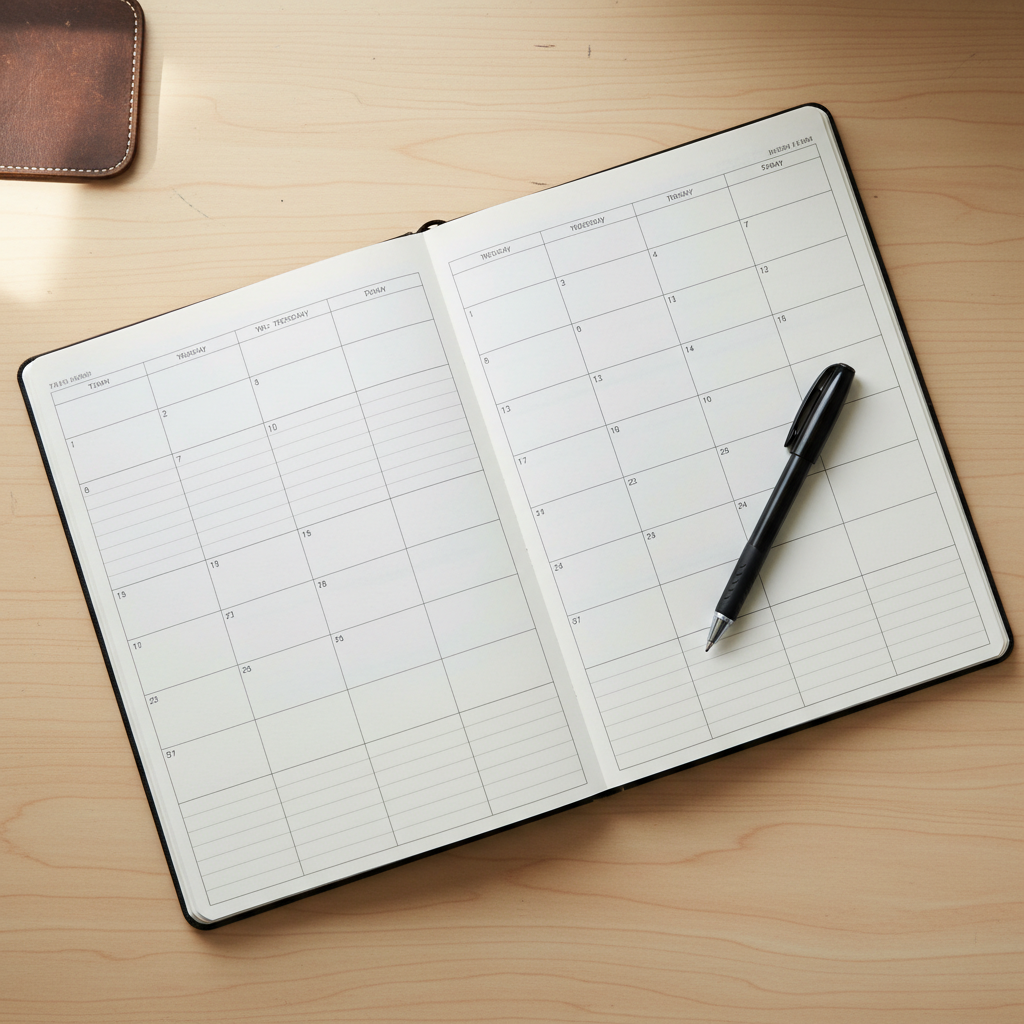
The Good Enough Restart Strategy works because it narrows your focus to the immediate next step, but maintaining that focus requires an external support system. For many, the breakdown of an adhd morning routine adults try to implement occurs because of "room amnesia," the disorienting experience of walking into the kitchen and completely forgetting the original intent. This happens because working memory is easily overwritten by new stimuli. To combat this, you must transform your environment into a series of visual anchors that act as an external hard drive for your brain.
A high-quality printable checklist from our ADHD planner collection serves as this anchor. To make it highly functional, do not simply leave it on a desk or tucked inside a folder where it can be ignored. Instead, laminate the checklist and mount it in a high-traffic decision zone, such as the bathroom mirror or the refrigerator door. By using a dry-erase marker to physically check off tasks like "took meds" or "packed lunch," you provide your brain with immediate sensory feedback. This tactile action creates a record of completion, preventing you from wasting mental energy wondering if you already performed a specific task.
These visual cues do more than just list chores; they provide a roadmap that prevents the side quest trap. When you see a physical list in your line of sight, it pulls your attention back to the essential sequence of your morning. At about Simple Planners Hub, we design these tools to be both aesthetic and functional, ensuring they provide clarity without adding to your sensory overwhelm. This externalized structure allows you to navigate your Wilmington home with purpose, turning an invisible mental load into a clear, manageable path.
Evening Prep for the Morning Hater
A successful adhd morning routine adults can rely on begins long before the alarm sounds. For those who experience extreme sleep inertia, the goal of evening preparation is to remove every possible decision from your future, foggy self. Shifting the cognitive load to the night before ensures that even if you wake up with high executive dysfunction, your environment is already working in your favor.
Regulating your sleep hygiene starts with the 10:3 rule. Stop all caffeine intake ten hours before bed to allow your nervous system to fully decompress. Similarly, finish your last meal three hours before sleep to prevent digestive processes from disrupting deep, restorative rest. These physiological boundaries are essential for minimizing the morning fog that makes starting the day feel impossible.
Practical friction reduction involves creating a dedicated launchpad. Set out your professional attire, pack your bag for the Wilmington commute, and pre-load the coffee maker so it requires only one button press. By externalizing these tasks, you eliminate the need for searching, choosing, or planning during those first critical minutes of the day. Incorporating these simple setup steps into your ADHD planner collection creates a bridge between tonight’s clarity and tomorrow’s success. At about Simple Planners Hub, we believe that by preparing the environment, you grant yourself the grace to be less than perfect when you wake up.
Building a morning routine that works for your ADHD brain is about progress, not perfection. By focusing on small, sustainable wins rather than rigid expectations, you can start your day with more clarity and less stress. If you find that you want expert help to structure your schedule, we have designed specialized tools to guide you. You can browse our full range of Products to find a planner that fits your lifestyle. These resources are here to support your journey toward a more organized life whenever you are ready.