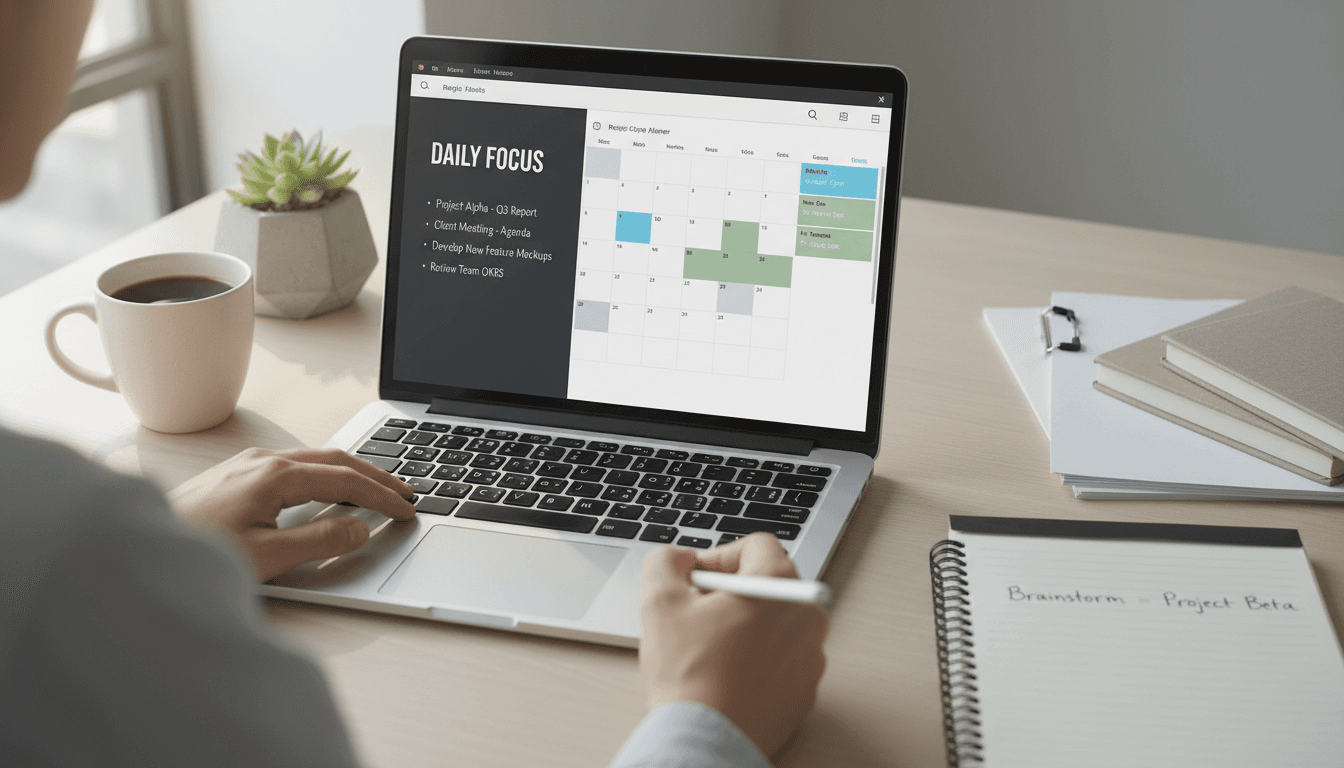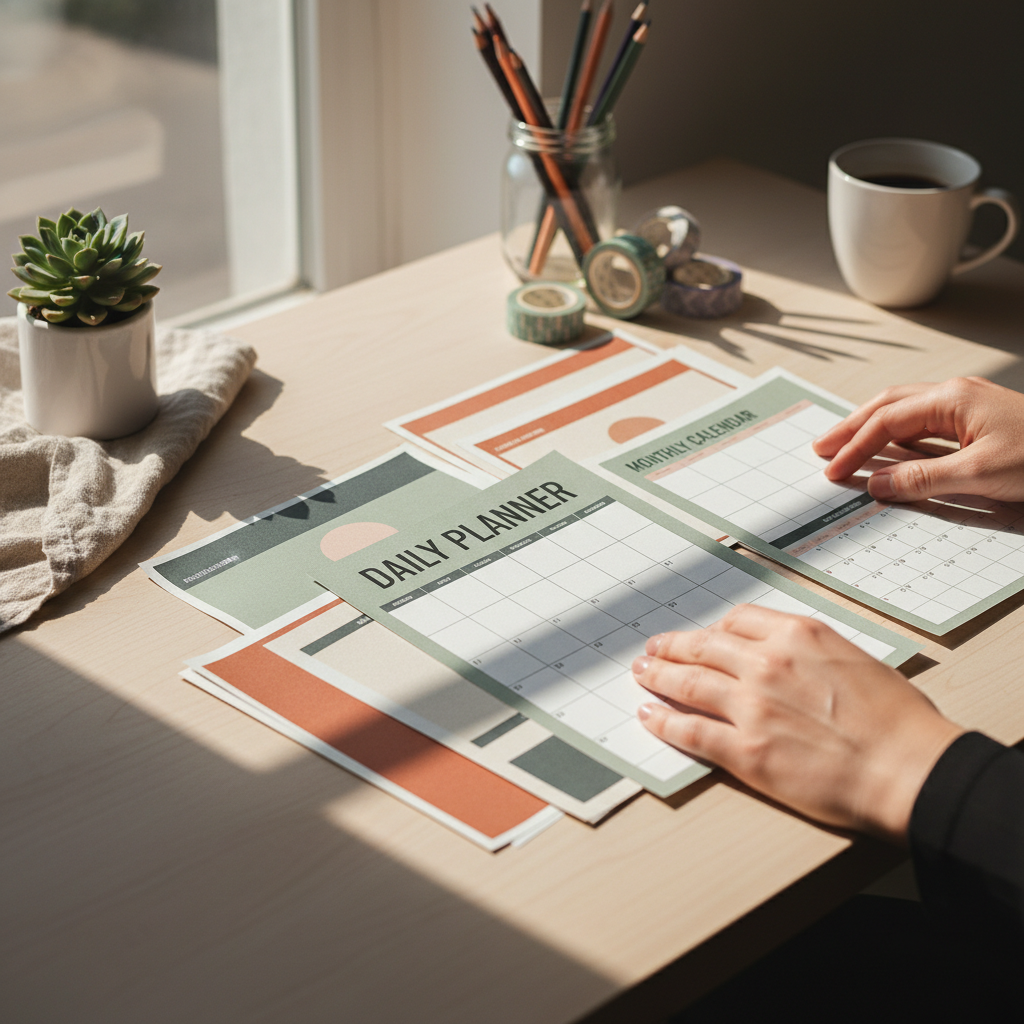
The best morning routine for adhd women focuses on a low-dopamine start that prioritizes pre-planned, zero-decision tasks and avoids immediate phone use to prevent early sensory overload. This structured approach relies on preparing the night before, using external wake-up cues, and incorporating gentle movement to create a calm transition into the day.
For many women with ADHD, the day begins not with a sense of renewal, but with a paralyzing weight of unfinished tasks and mental fog. You likely wake up reaching for your phone to find a quick hit of dopamine, only to find yourself an hour later still in bed and already behind schedule. This cycle of morning friction creates a ripple effect that compromises your focus and mood for the remainder of the day. To break this loop, we must move beyond standard productivity advice and lean into a low-dopamine start that respects your neurobiology. In this guide, we will explore the science of the low-dopamine morning and provide a practical, step-by-step routine. You will learn how to use visual flow charts to bypass decision fatigue, how to navigate hormonal shifts, and how to apply the 1-3-5 and 30 percent rules for a more sustainable day.
Why Mornings Feel Like a Battle for ADHD Women
For many women, the sound of an alarm signals the start of a sensory and cognitive marathon. This morning scramble is not a character flaw or a lack of discipline; it is a direct result of how executive dysfunction manifests in the female brain. While generic advice often suggests simply waking up earlier, this ignores the complex reality of time blindness and task initiation struggles. Time blindness makes it nearly impossible to accurately gauge how long it takes to pack a lunch or find a pair of matching socks, leading to a constant state of frantic catch up.
The challenge is compounded by the heavy mental load that women frequently carry. For a professional or a parent, a morning is rarely just about personal hygiene. It involves tracking the schedules of others, remembering school spirit days, or mentally rehearsing a presentation while the dog needs to be fed. When your brain already struggles to prioritize, this influx of competing demands creates a wall of awful that makes even simple tasks feel insurmountable.
Finding the best morning routine for adhd women requires acknowledging that your brain is working twice as hard to process information as a neurotypical peer. Using ADHD-specific planners can help offload this cognitive burden. By externalizing your working memory, you can begin to reduce stress and improve time management rather than relying on a brain that is already overtaxed by the dawn. Validating this struggle is the first step toward moving away from the battlefield and toward a grounded, functional start to your day.
The Science of the Low Dopamine Morning Routine
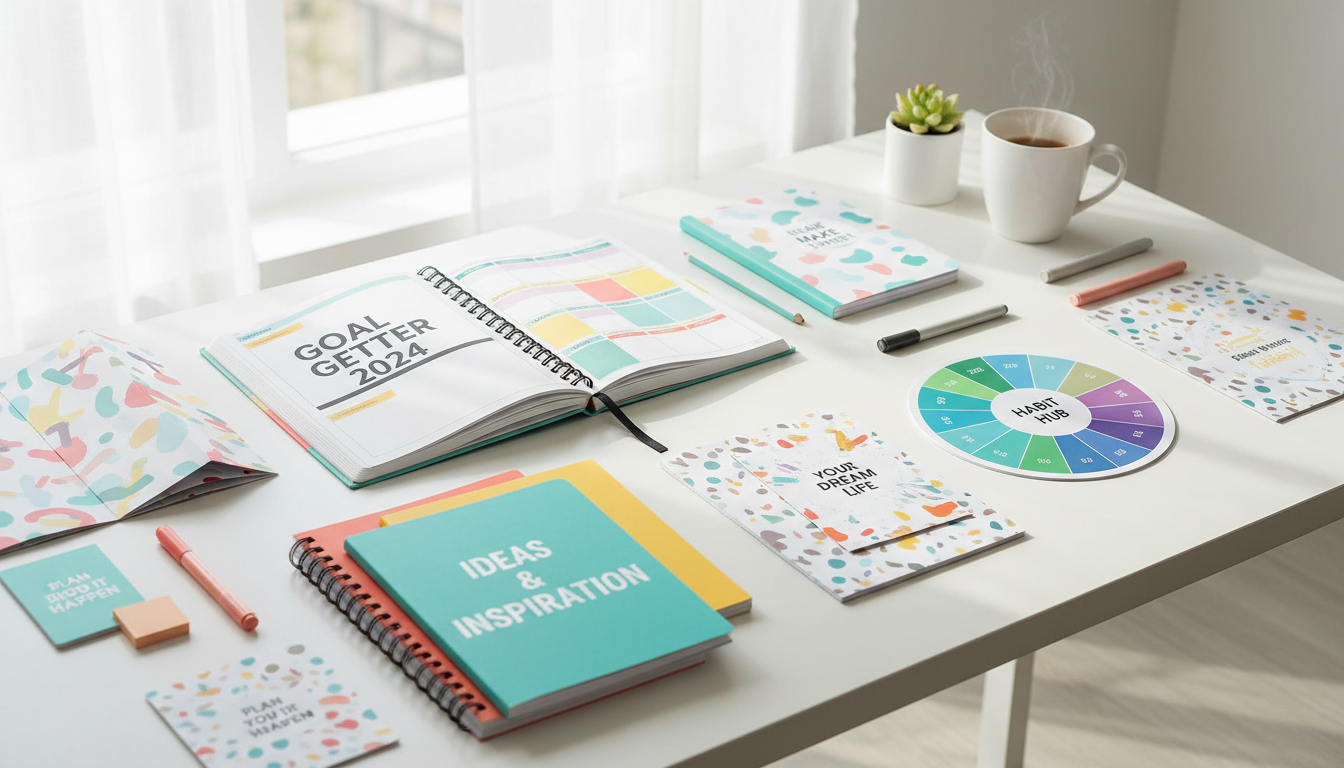
To move beyond the morning battle, we must address the chemical landscape of the ADHD brain. A low dopamine morning routine is not about deprivation; it is about strategically managing overstimulation during the first sixty minutes of the day. Because ADHD involves chronic dopamine dysregulation, the brain often wakes up in a "seeking" state, hunting for a quick chemical hit to feel alert. Reaching for a smartphone to scroll through social media or consuming a double espresso on an empty stomach creates an immediate, artificial dopamine spike. While this feels like a boost, it inevitably leads to a steep neurological crash by early afternoon, making it difficult to reduce stress and improve time management throughout the rest of the workday. Establishing a low-dopamine start is a core component of the best morning routine for adhd women, as it prevents the sensory overload that often leads to early morning paralysis.
When considering what people with ADHD should do first thing in the morning, the priority must be grounding tasks over high-stimulation inputs. High-intensity inputs, such as blue light from screens or sudden influxes of refined sugar, signal to your brain that it requires intense, external shocks to function. By implementing gentle swaps, you allow the nervous system to regulate itself with more stability. For example, exposure to natural light within twenty minutes of waking helps synchronize your circadian rhythm, signaling the brain to cease melatonin production and start a steady, natural rise in cortisol and dopamine.
The High-Spike Habit | The Low-Dopamine Swap | Benefit to ADHD Brain |
|---|---|---|
Checking social media | 10 minutes of sunlight | Regulates circadian rhythm |
Sugary cereal or pastry | High-protein breakfast | Stabilizes blood sugar and focus |
Double espresso (empty stomach) | Hydration first, then coffee | Prevents early afternoon crash |
Mental to-do listing | Checking ADHD-specific planners | Offloads working memory |
Shifting these habits transforms the morning from a reactive scramble into a proactive foundation. Rather than burning through your limited cognitive reserves before you even start work, you preserve your mental energy for the tasks that truly matter. If your current morning feels chaotic, consulting custom organizational tools can provide the visual structure necessary to support these neurological shifts.
Step by Step: The Best Morning Routine for ADHD Women
Building on the neurological need for a low-dopamine start, the best morning routine for adhd women follows a predictable, sensory-friendly sequence. By structuring your morning as a series of cues rather than a list of chores, you bypass the friction of decision-making that often triggers executive dysfunction.
The Wake Up Cue. Ditch the aggressive beeping of a standard alarm, which can trigger an immediate stress response and sensory overload. Instead, use a sunrise lamp to mimic natural light or a programmed playlist that starts with soft instrumentals and gradually increases in tempo. These sensory signals tell your brain it is time to transition without the jarring shock that leads to morning irritability.
The Hydration Phase. Before reaching for a stimulant, consume at least eight ounces of water. Hydration is critical for cognitive function, especially since many ADHD medications can be dehydrating. Drinking water first creates a physical pause, allowing your brain to wake up naturally before the caffeine takes over. This simple act helps regulate your system before you introduce external stimulants.
The Buffer Zone. Spend ten minutes in low-stakes movement. This is not a high-intensity workout; rather, it is about grounding your body through gentle stretching, yoga, or a slow walk around your home. Movement provides proprioceptive input, which helps ground the ADHD brain and reduces the floaty feeling of morning brain fog that often leads to task paralysis.
The Protein Priority. Focus is chemically expensive for the brain. A protein-packed breakfast, such as eggs, Greek yogurt, or a high-quality protein shake, provides the amino acids necessary for neurotransmitter production. This stabilizes blood sugar and prevents the mid-morning slump that often derails productivity and mood.
The Visual Check-In. Once your body is fueled, perform a visual check-in with your ADHD-specific planners. Looking at a physical layout of your day offloads your working memory, which is often the weakest link in the ADHD cognitive chain. Seeing your tasks written down reduces the internal noise of "what am I forgetting?" and allows you to reduce stress and improve time management from the very start of the day.
Conclude your routine at a designated launch pad or exit station. This is a specific, permanent spot near your door where your keys, bag, and phone live. By centralizing these items, you eliminate the frantic, last-minute search that often ruins an otherwise successful morning flow. If you find your current home environment lacks this structure, exploring custom organizational tools can help you design an environment that supports your executive functions instead of working against them.
How to Use an ADHD Routine Flow Chart or Checklist
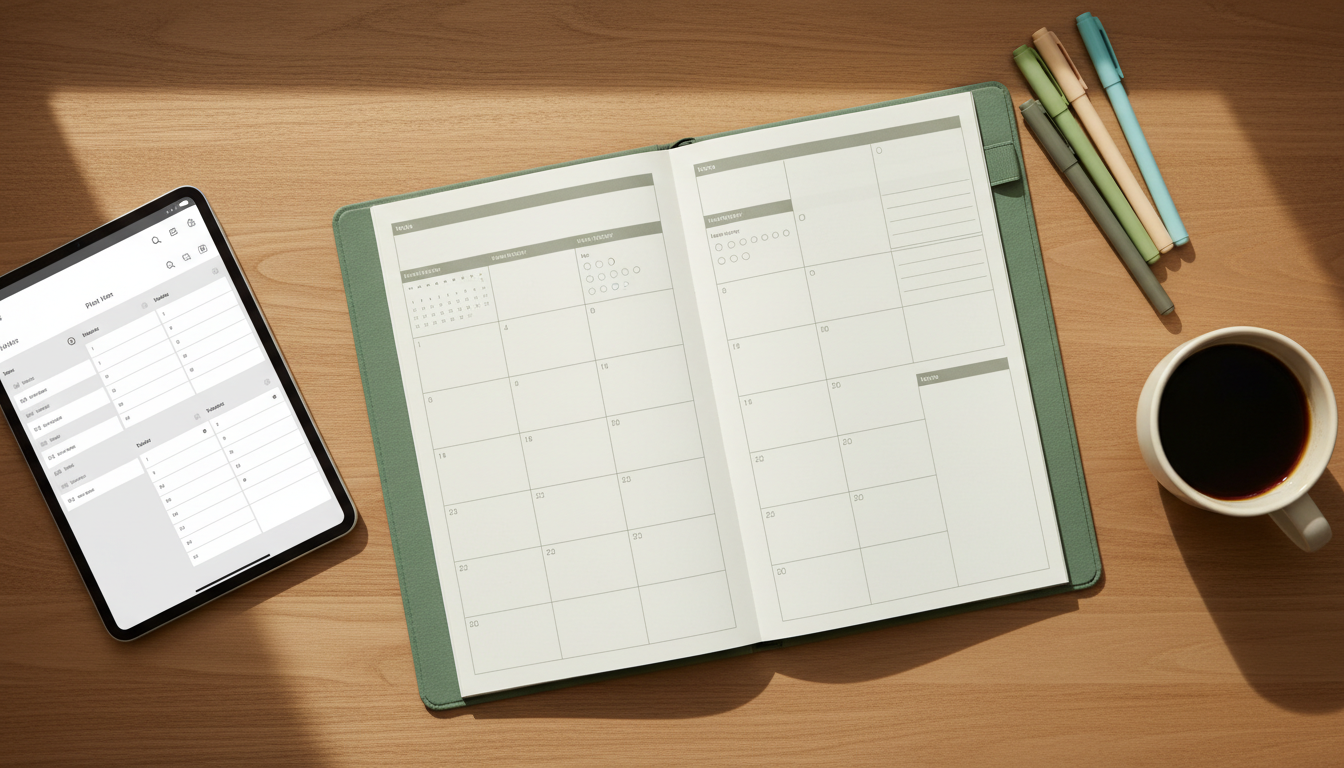
For the ADHD brain, visibility is synonymous with existence. Without a physical prompt, the morning sequence often dissolves into a series of disconnected, overwhelming choices. A printable checklist or flow chart acts as a cognitive external hard drive, mapping out the path so you do not have to waste precious executive function deciding what to do next. When your routine is displayed prominently on a fridge or bathroom mirror, it bypasses the need for working memory, which is frequently the first system to fail during a high-pressure morning.
Every time you physically mark a task as complete on your ADHD-specific planners, your brain receives a small, healthy micro-dose of dopamine. This internal reward builds the momentum needed to transition to the next step without stalling or getting distracted by low-priority tasks. The goal is to make the routine so visual that it becomes a series of triggers rather than a mental burden.
At Simple Planners Hub, the mission is to help you achieve transformation through simplicity. By using custom organizational tools that prioritize clear, minimalist design, you reduce stress and improve time management. These tools serve as a silent, reliable guide, replacing the mental noise of a complex schedule with a straightforward path toward the door. When the plan is visible and simple, the brain can finally stop searching for the next step and start taking it.
Navigating Hormonal Changes and ADHD Productivity
Even the most structured visual system can feel insufficient when your internal chemistry shifts. For women with ADHD, the effectiveness of a morning routine is inextricably linked to the menstrual cycle. Estrogen plays a critical role in how the brain produces and utilizes dopamine; when estrogen levels drop during the luteal phase, which is typically the week before your period, your ADHD symptoms often become more pronounced. During these days, the executive function required to initiate tasks or manage time feels significantly heavier, making the best morning routine for adhd women feel suddenly out of reach.
Recognizing these shifts is essential to sustain long term progress. Instead of forcing a rigid schedule when your brain is chemically depleted, build slack time into your morning during low estrogen weeks. This might mean adding a fifteen minute buffer to your routine or simplifying your tasks to the absolute bare minimum. Using ADHD-specific planners to track your cycle alongside your schedule allows you to anticipate these dips in focus and energy.
When a routine breaks, view it as a data point rather than a personal failure. Self compassion is a functional tool here, not just a feel good sentiment. If you struggle to get out of bed or lose track of time despite your best efforts, acknowledge that your brain is working with fewer chemical resources. Adapting your custom organizational tools to meet your needs during these phases will help you reduce stress and improve time management without the burnout caused by unrealistic expectations.
ADHD Time Management Hacks: The 1 3 5 and 30 Percent Rules
To bridge the gap between neurological fluctuations and daily demands, you need robust frameworks that account for time blindness. The 30 Percent Rule is a non-negotiable tool for the ADHD brain; it requires adding 30 percent more time to every estimated duration. If you believe your skincare and dressing routine takes 20 minutes, allocate 26 minutes instead. In a professional setting, such as commuting through Wilmington traffic or preparing for a remote team meeting, this buffer prevents the cortisol spike triggered by running late. It acknowledges that transitions are difficult and that distractions are inevitable.
Simultaneously, the 1 3 5 Rule provides a structure for daily prioritization. Instead of a daunting, endless list, you commit to one big task, three medium tasks, and five small tasks. For a busy professional, the one big task might be finalizing a project brief before the morning rush ends, while the five small tasks could include drinking water, taking medication, and checking your ADHD-specific planners. This method prevents morning paralysis by limiting choices and providing a clear hierarchy. By integrating these rules into custom organizational tools, you reduce stress and improve time management. These systems ensure that even on high-symptom days, your morning remains a series of achievable, low-friction wins.
Establishing a low-dopamine morning routine is about honoring your brain's unique needs by starting your day with calm and intentionality. When you focus on small, manageable steps rather than high-pressure goals, you create a sustainable foundation for lasting focus. If you want expert help building these supportive structures, our specialized Products offer a simple way to organize your daily life. These resources are designed to guide you through the process, making it easier to maintain your routine while reducing the mental load of planning every single detail yourself.